Website preview   ✦   The cat community is being prepared
←   Back to cat care
Small things, lots of love

Everyday care tips.

From dinner time and playtime to fleas, worming and a safe home, explore thoughtful ways to care for your cat.

These are general tips and do not replace advice from your vet.
A cat eating from a food bowl

✦   Feeding

Happy mealtimes

What should I feed my cat?

Choose a complete cat food suited to their age and follow the feeding guide, adjusting with your vet’s advice. Feed in a quiet place and keep bowls clean.

Why isn’t my cat eating?

A change in appetite can have several causes, including mouth pain, illness or stress. Contact your vet promptly if your cat refuses food or eats much less than usual. Don’t wait if they are a kitten, seem unwell or are vomiting.

Read more about feeding ↗

Photo: Andre Engels / Wikimedia Commons · CC BY 1.0 · cropped to fit.

A cat drinking water

✦   Drinks & treats

Fresh water, little treats

How can I help my cat drink?

Keep fresh, clean water available. Many cats prefer their water away from their food and litter tray; you can offer a few bowls in quiet places.

Can cats have treats?

Keep cat treats small and occasional: they are an extra, not a replacement for complete food. Ask your vet about suitable options if your cat has a health condition.

Read more from Cats Protection ↗

Photo: TrainSimFan / Wikimedia Commons · CC BY-SA 4.0 · cropped to fit.

A cat playing with a toy

✦   Play & comfort

Time to play

What games do cats enjoy?

Try short games with a suitable cat toy, moving it like prey and letting your cat catch it sometimes. Some cats love an energetic chase; others prefer a gentler game.

Can I leave toys out?

Check toys for wear. Supervise string and wand toys, then put them away so your cat cannot become tangled or swallow parts.

Read more about play ↗

Photo: PierreSelim / Wikimedia Commons · CC BY 3.0 · cropped to fit.

A kitten sitting on a cat scratching post

✦   Claws & play

A place to scratch

Why do cats scratch?

Scratching is a normal cat behaviour. It helps them care for their claws, stretch and leave scent marks, even if they also go outdoors.

How can I protect the sofa?

Offer a stable, tall scratching post or a horizontal scratcher if that is what your cat prefers. Try placing it near their bed or beside the furniture they like to scratch.

Read more about scratching ↗

Photo: Matt Buck / Wikimedia Commons · CC BY-SA 2.0 · cropped to fit.

A cat litter tray

✦   Litter trays

A quiet place to go

How many litter trays do I need?

A useful guide is one tray per cat, plus one extra. Keep trays clean, in quiet accessible places, away from food and water. Older cats may need a lower-sided tray.

What if my cat is straining to wee?

If your cat tries to wee but cannot pass a steady stream, contact a vet immediately. A blockage can be life-threatening. Changes in litter habits also deserve veterinary advice.

Read more about litter trays ↗ Cat first aid ↗

Photo: CambridgeBayWeather / Wikimedia Commons · CC BY-SA 3.0 · cropped to fit.

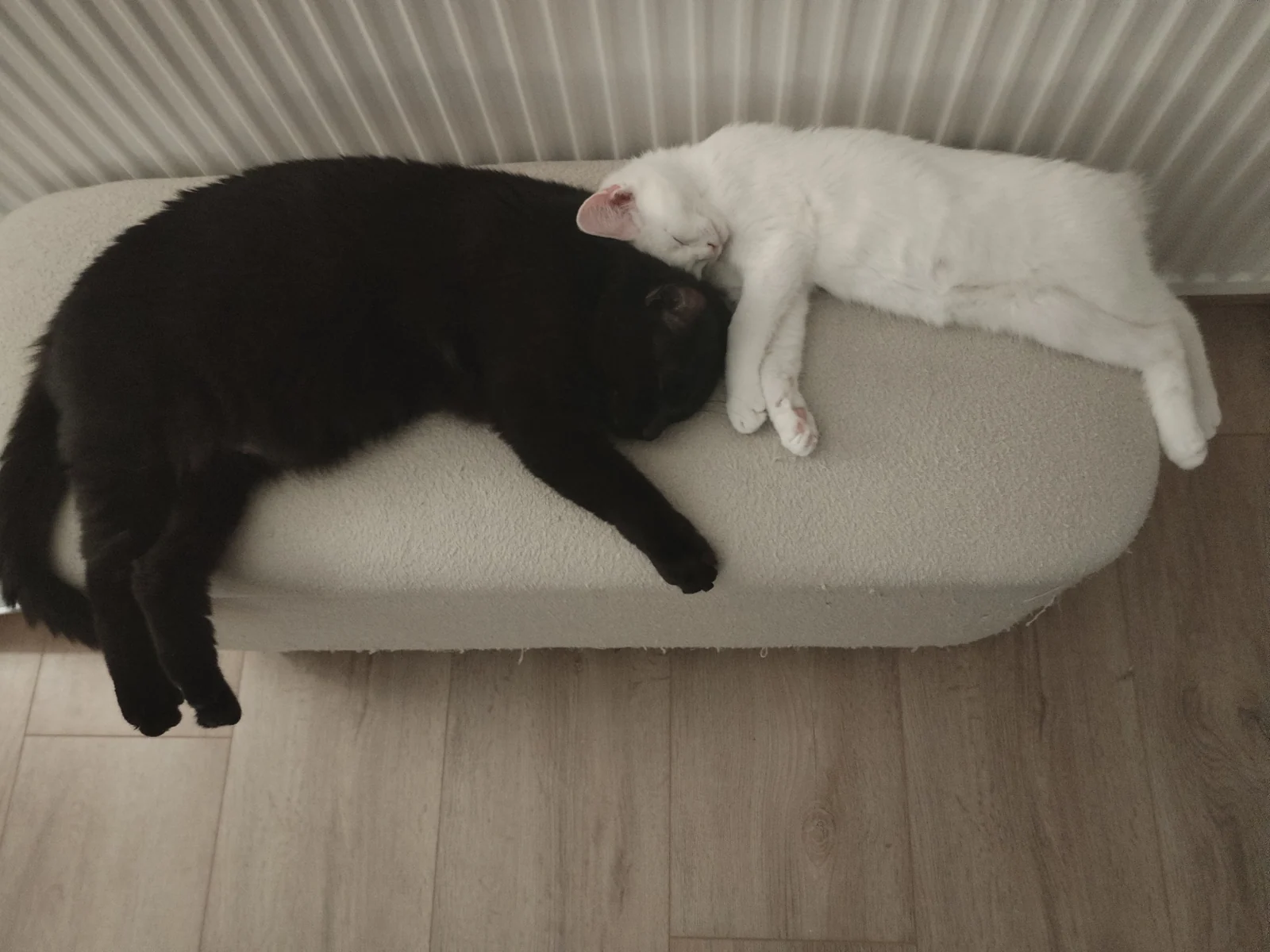
Cosmo and Dusty sleeping close together

✦   Home & safety

Keeping their world safe

What should I keep away from cats?

Keep medicines, cleaning products and toxic plants out of reach. Many lilies are especially dangerous to cats, including their pollen; the safest choice is not to keep them at home or in the garden.

What if my cat may have eaten something harmful?

Contact your vet immediately and explain what may have been swallowed or touched. Do not wait for symptoms to appear.

Read about poisonous plants ↗
A person gently brushing a cat

✦   Parasite care

Fleas and worms

How might I spot fleas?

Extra scratching, tiny dark specks in the coat or sore skin can be clues. A fine-toothed flea comb can help you check. Some cats show few signs, so ask your vet if you are unsure.

What are the signs of worms?

Some cats have no obvious signs. Others may have an upset tummy, lose weight or pass small segments resembling grains of rice near their bottom or in their poo. Contact your vet if you notice changes.

Indoor cats can still encounter parasites. Fleas can also pass on a type of tapeworm, so ask your vet about worming if your cat has fleas.

Cats Protection: fleas ↗ Worms ↗

Photo: Jiaqian AirplaneFan / Wikimedia Commons · CC BY 3.0 · cropped to fit.

A vet examining a cat with a stethoscope

✦   Treatment safety

Choosing the right care

How often should I treat my cat?

Ask your vet for a plan based on your cat’s age, weight, health, lifestyle and local risks. An indoor cat and a cat that hunts may need different plans; kittens and pregnant cats need special advice. Follow the timing on the recommended product.

How do I use treatments safely?

Use a product suitable for cats and their current weight, and follow your vet’s advice and the instructions. Products do not all cover the same parasites. Never use a dog flea treatment or household spray on a cat: some contain permethrin at levels poisonous to cats. If exposure or a reaction occurs, contact your vet immediately.

What about the rest of the home?

If there are fleas, ask your vet how to treat other pets as well. Vacuum soft furnishings and wash bedding; if a household treatment is needed, follow its instructions and keep pets away until safe.

PDSA: flea and worm treatment ↗ Permethrin safety ↗

Photo: Veterinarian Pet Alliance / Wikimedia Commons · CC BY 4.0 · cropped to fit.

A cat inside a pet carrier

✦   Teeth & travel

Little routines that help

How can I look after my cat’s teeth?

Ask your vet to show you how to introduce gentle tooth brushing. Use toothpaste made for cats, never human toothpaste. If your cat struggles to eat or has a sore mouth, contact your vet.

How can I make trips less stressful?

Leave a secure, well-ventilated carrier open at home with familiar bedding so your cat can explore it in their own time. For a journey, secure the carrier in the vehicle. Ask your vet for help if travel causes distress.

Dental care ↗ Travelling with cats ↗

Photo: Tylervigen / Wikimedia Commons · CC BY 4.0 · cropped to fit.

A comfortable place to be a cat

Provide a clean litter tray, a scratching place, somewhere peaceful to rest and a safe hiding spot. Gentle grooming helps you notice changes to the coat or skin.

How can I look after their coat?

Try short, gentle grooming sessions that your cat is happy with. Longhaired cats and older cats may need more help. If grooming suddenly changes or you find uncomfortable mats, ask your vet for advice. More about grooming ↗

What about check-ups?

Ask your vet about regular check-ups, vaccinations and parasite prevention suited to your cat. Keep their microchip contact details up to date in case they ever get lost.

If your cat’s appetite or behaviour changes, or you are worried about their health, contact your vet. Explore our body language guide for more clues about how they might be feeling.

Information from Cats Protection. General information does not replace advice from your vet.